WRITING SAMPLES

Selected illustrative samples

These pieces demonstrate style and structure. They are not presented as client endorsements, awards or paid campaign results.

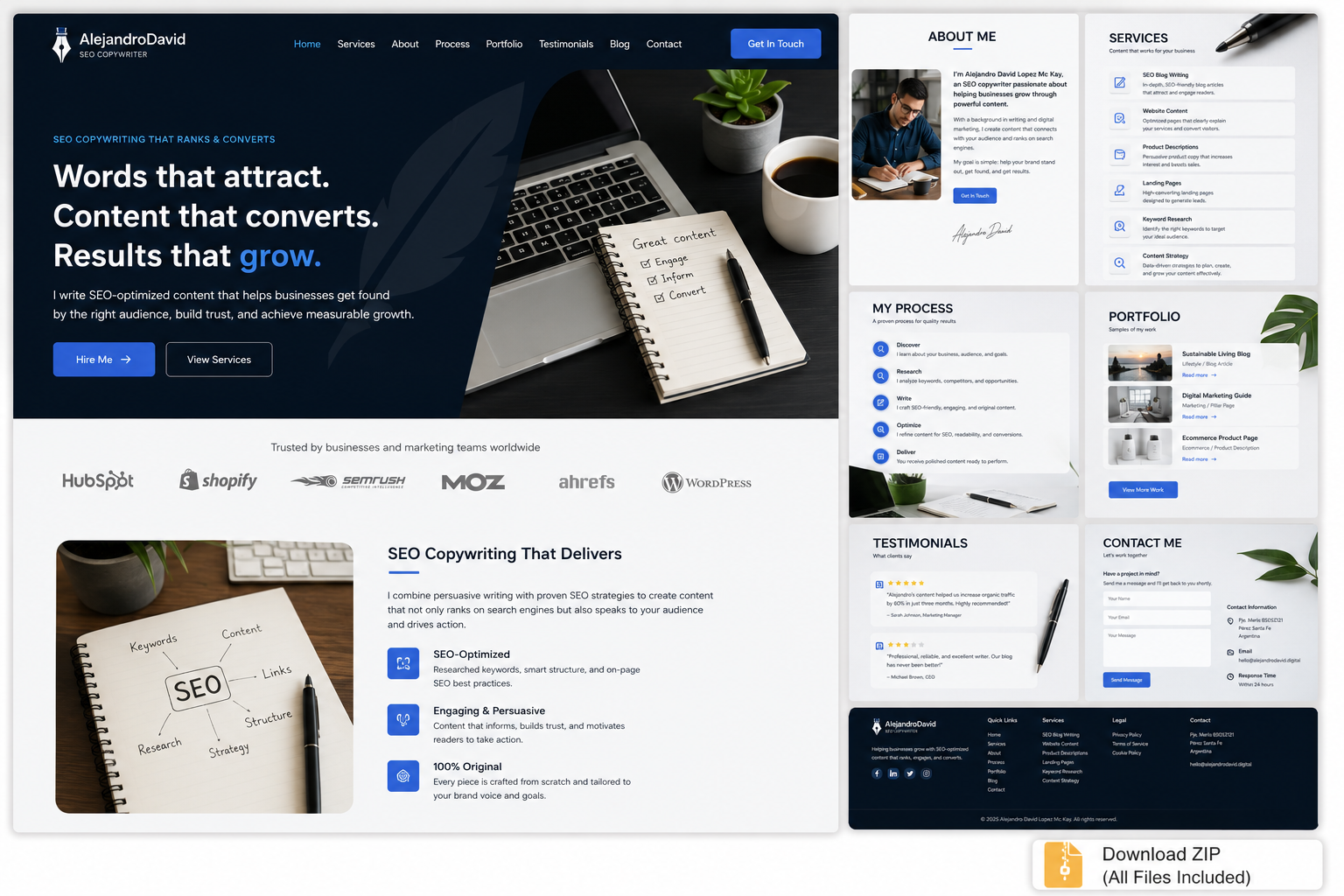
Generated mockup illustrating editorial portfolio work
TECHNOLOGY

How Cloud Tools Are Changing the Modern Workplace

Cloud software has changed how distributed teams share documents, communicate and organize everyday work. The most useful tools are not necessarily the ones with the longest feature lists; they are the ones that fit a team's habits.

A thoughtful rollout starts with a clear workflow. Teams can identify the tasks that create friction, choose tools around those tasks and document simple operating rules. This approach makes new software easier to adopt and gives people a reason to use it consistently.

E-COMMERCE

10 Practical Ways to Improve an Online Store Experience

Good store copy answers questions before a shopper needs to ask them. Clear product names, useful descriptions, visible delivery information and consistent category language can reduce uncertainty throughout the buying journey.

Start with the pages customers visit most. Review product information, navigation labels and common support questions, then make the smallest changes that create the clearest experience.

SUSTAINABILITY

The Practical Case for Sustainable Business Content

Readers increasingly expect business content to explain claims rather than simply repeat them. Useful sustainability writing defines terms, gives context and distinguishes measurable information from broad marketing language.

A careful editorial approach can help a company communicate its practices without exaggeration. The goal is credibility: explain what is known, identify what is being improved and give readers enough context to understand the difference.

WEBSITE COPY

Why Clear Service Pages Matter

A service page should help a visitor understand what is offered, who it is for and what happens next. Short sections, descriptive headings and concrete examples make that information easier to scan.

Search optimization supports this structure by reflecting the language people use when looking for answers. It works best when the page remains useful to the human reader first.